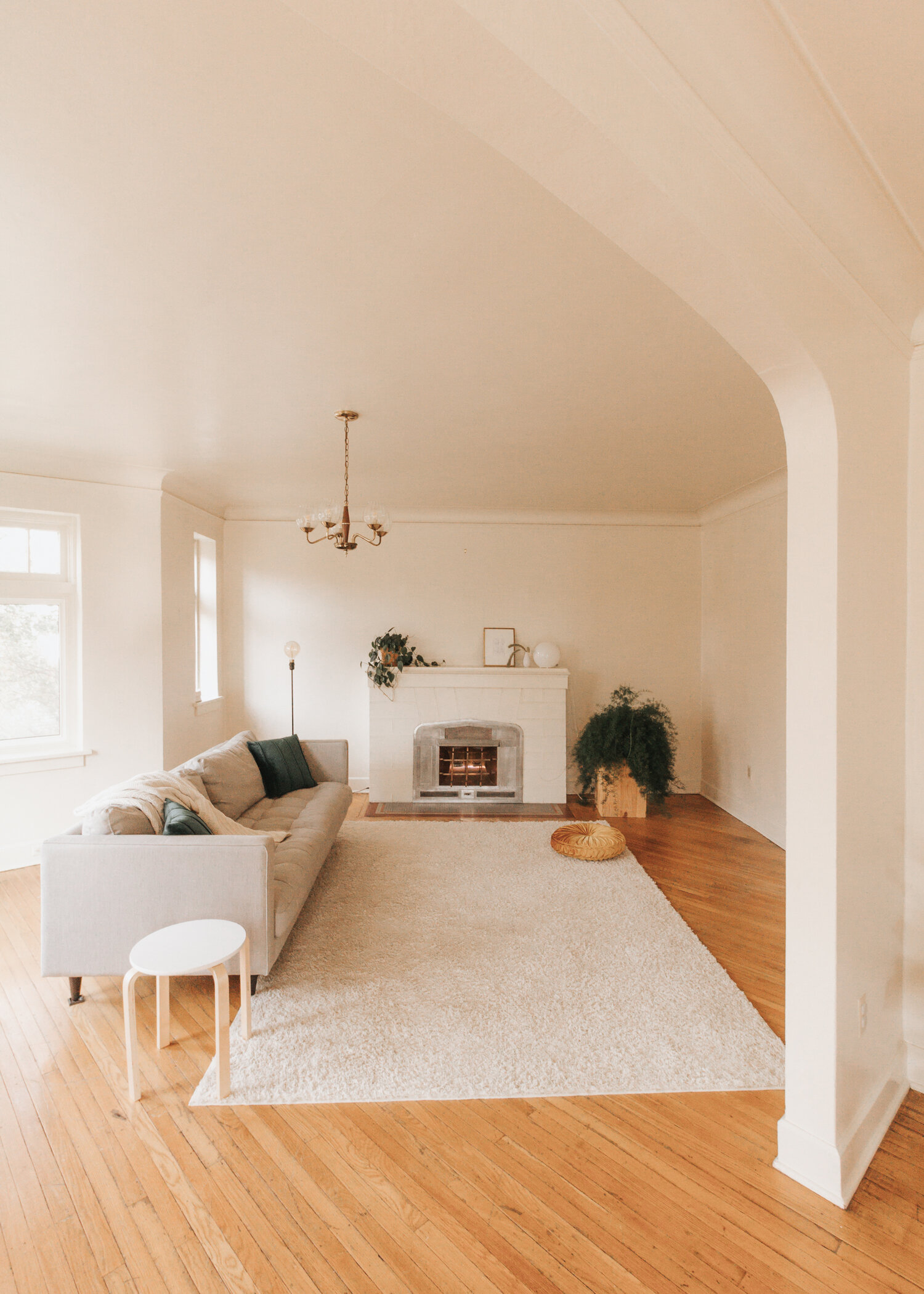
The Art of Letting Go: How to Embrace Chaos in a Minimalist Lifestyle
In a world that often values accumulation, embracing chaos through a minimalist lifestyle requires an emotional and psychological shift. Letting go of material possessions can seem daunting, but it opens the door to a life filled with clarity and purpose. Begin by identifying items that no longer serve you or that bring negative energy into your space. This process can be liberating, allowing you to focus on what truly matters, such as relationships, experiences, and personal growth. As you release these burdens, remember that embracing chaos means accepting the beauty in life’s unpredictability.
To fully embody the art of letting go, consider adopting the following practices:
- Practice Mindfulness: Regular meditation can help you stay present, reducing anxiety over what you are releasing.
- Set Intentions: Clearly define your goals for a minimalist lifestyle and the emotions you want to cultivate.
- Connect with Nature: Spending time outdoors can provide perspective and inspire you to detach from materialism.
Counter-Strike is a popular first-person shooter game that pits terrorists against counter-terrorists in a variety of objective-based game modes. Players can choose from a range of weapons and tactics to secure victory for their team. If you're looking for something to protect your phone while gaming, check out the Top 10 iphone slim cases to find the perfect accessory.
Finding Freedom in Simplicity: Tips for Balancing Chaos and Minimalism
In a fast-paced world overflowing with obligations, distractions, and excessive information, finding freedom in simplicity can feel like a daunting task. However, embracing minimalism doesn't mean denying the chaos; instead, it involves making conscious choices that bring clarity, peace, and balance to our lives. Start by identifying the areas of your life that cause the most stress and consider eliminating unnecessary clutter—both physically and mentally. This can include decluttering your living space, reducing your digital footprint, or even simplifying your to-do list. An effective way to approach this is by following the 80/20 rule, which suggests that 80% of your results come from 20% of your efforts. Focus on the essential elements that bring joy and purpose to your life, and let go of the rest.
Once you've embraced the idea of simplicity, it's crucial to cultivate habits that maintain this balance amidst chaos. Here are some practical tips to help you stay grounded:
- Establish a routine: Design a daily schedule that prioritizes self-care and manageable tasks.
- Limit screen time: Set boundaries around technology use to prevent information overload.
- Practice mindfulness: Incorporate breathing exercises or meditation to help center your thoughts.
- Declutter regularly: Make it a habit to assess and remove items or commitments that no longer serve you.
- Set realistic goals: Aim for simplicity in your ambitions—small, achievable goals lead to long-term success.
By being intentional with your choices and embracing the power of minimalism, you can navigate chaos with grace and find a profound sense of liberation.
Is Minimalism Really About Having Less? Exploring the Paradoxes of a Simple Life
The concept of minimalism is often perceived as a mere decluttering strategy, focused on owning fewer possessions. However, this simplistic view overlooks the profound paradoxes intertwined with embracing a simple life. Minimalism isn't exclusively about having less; rather, it is about making conscious choices that align with one’s values and priorities. For many, the journey involves not just eliminating physical items, but also shedding mental clutter and social obligations that weigh them down. This holistic approach to minimalism often leads to deeper insights about what is truly essential in life.
Moreover, minimalism challenges the societal norms of consumerism and the constant pursuit of more. Ironically, the act of striving for simplicity can sometimes result in an overwhelming focus on what is omitted, thus creating a new set of complexities. As individuals navigate this philosophy, they might find themselves confronting paradoxes such as gaining freedom through restrictions or finding joy in the absence of choice. In essence, the heart of minimalism lies not in the emptiness of one’s possessions, but in the richness of deliberate living and the thoughtful pursuit of what genuinely matters.